

Not to be that guy who’s like, “You have to go to Japan,” but…really. You have to go to Japan. Everything everybody says is true: The hospitality is unmatched. The food is fresh and delicious (and relatively affordable!) wherever you go. And, yes, the convenience stores on every corner do have everything you could ever possibly need — and then some.
But Osaka and its environs are particularly special. Not only because Osaka is home to Universal Studios Japan (USJ) — though, yes, I’m biased here! There’s just something so special about Western Japan. The region has an infectious, down-to-earth culture and jaw-dropping sites (both architectural and natural) that have kept visitors coming for literal centuries on end.
Before I dig into the details, here’s the tl;dr on Western Japan and USJ:
- Osaka is the second-largest city in Japan and a major hub in Western Japan. It’s home to a world-class dining scene, the Osaka Aquarium, the Osaka Castle, and Universal Studios Japan.
- Universal Studios Japan is easily accessed via public transportation inside the city of Osaka and can be experienced in a day. The theme park is home to SUPER NINTENDO WORLD, The Wizarding World of Harry Potter, Amity Village from “JAWS”, Jurassic Park, and more lands based on beloved franchises.
- Osaka is accessible by Kansai International Airport, and is a short train ride from Kyoto, Nara, Kobe, Hiroshima, and more cities to explore. Kyoto, a centuries-old city brimming with historic sites, is an especially popular tourist site.
Already looking at your calendar for free weeks to visit Japan? Here’s a lay of the land of Osaka and the greater Western Japan region to whet your appetite — and why you should make sure you carve out a day to visit Universal Studios Japan while you’re on that side of the world!
SITUATING YOURSELF | OSAKA AND USJ | KYOTO | NARA | KOBE | HIROSHIMA
Situating Yourself
We lay our scene in fair Kansai, the second-most populous region in Japan (after Kantō, which includes Tokyo). Kansai is located in central-southern Japan bordered by the Sea of Japan to the north, the Seto Inland Sea to the south, the Kii Peninsula to the west and the Ikubi Mountains to the east.
The main airport in the region is Kansai International Airport (KIX), which is located in the greater Osaka metropolitan area. If you’re arriving in Kansai from overseas, you’ll likely fly into either KIX or Osaka Itami Airport (Itami). Itami is about 30 minutes north of Universal Studios Japan and has a direct limousine bus that run from the airport to the theme park.

Kansai has long been regarded as the cultural and historic heart of Japan. It’s home to Kyoto, which was the imperial seat of Japan for over a millennium. (The country’s capital is now Tokyo.) Similar to the North and South of the United States, Kansai is often discussed in contrast to Kantō in terms of culture, cuisine, humor, customs and idiosyncrasies. Where Kansai is generalized as warm and down-to-earth, Kantō is described as more cosmopolitan and fast-paced. Both regions are rich with culture, with every nook and cranny deserving of exploration. But today, we’re talking about Kansai.
Osaka and Universal Studios Japan

DAYS: 2-3
GETTING THERE: Fly into Kansai International Airport (KIX); take a 2.5-hour shinkansen (bullet train) from Tokyo; take a 35-minute train from Kyoto.
Osaka is the second-biggest city in Japan, after Tokyo. It’s home to Kansai International Airport, but thinking of Osaka as merely the place to land would be a huge misstep in your trip to Kansai. It’s a bustling metropolis in its own right, and deserves several days of exploration!
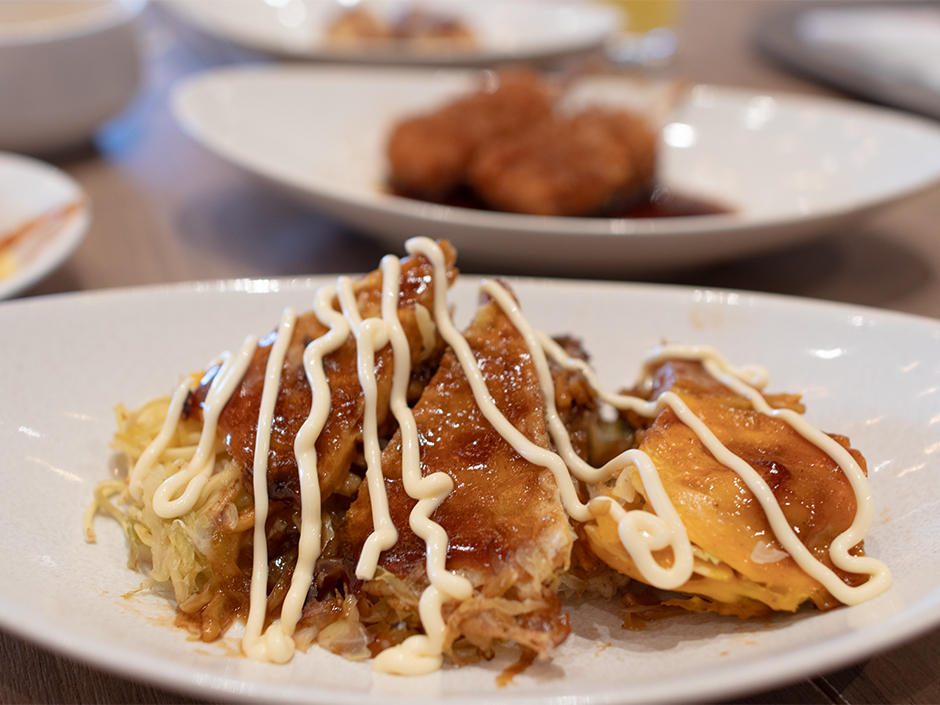
First thing to know about Osaka: Come hungry. The city is known for its bangin’ food culture, operating under the philosophy of kuidaore (“eat ‘til you drop”). Since it’s a major port city, it’s no surprise that Osakan cuisine is seafood-forward. It’s particularly famous for takoyaki (fried octopus balls) and okonomiyaki (a savory cabbage pancake). The best part? All this deliciousness is super affordable. Osaka’s street food scene is second to none, so it’s easy to feast like royalty on a budget here.
When it comes to things to do in Osaka, make sure you plot out (at least) one full day for exploration at Universal Studios Japan (USJ). No other Universal theme park in the world is quite like this one, located right in the city of Osaka. At USJ, you can immerse yourself in a world of meticulously designed themed entertainment, world-class hospitality, heart-pumping thrill rides and grade-A bites.

And, of course, the Osaka park is home to the original SUPER NINTENDO WORLD. Japan has plenty of Nintendo-related fun, and if you’re at all a gamer, this themed land is a must-visit. Race through your favorite courses in Mario Kart: Koopa’s Challenge. Get in on the game with interactive Key Challenges across the Mushroom Kingdom so you can gain entry to the Bowser Jr. Boss Battle and take back the Golden Mushroom. Go on an egg hunt with one of the colorful Yoshis on Yoshi’s Adventure. And that’s not even to mention the Nintendo-themed food and beverage program, which is as immersive as it is delicious.
When it comes to The Wizarding World of Harry Potter, the Japan theme park offers fans plenty of unforgettable moments. While many “Harry Potter” fans may have explored The Wizarding World of Harry Potter in North America, the Osaka destination features experiences unique to Universal Studios Japan. Hogwarts castle overlooks the Black Lake, making for a unique picture-perfect photo op only in The Wizarding World of Harry Potter at Universal Studios Japan. And let’s not forget about the baby dragon encounter unique to USJ — the list of must-have photos just keeps getting longer!
And the rides at USJ are world-class. Over in Jurassic Park at Universal Studios Japan, The Flying Dinosaur roller coaster will send you soaring over USJ in the claws of a Pteranodon. Amity Village is home to the beloved and thrilling USJ JAWS ride (the only remaining JAWS ride in the world!). And my personal favorite ride at USJ, Hollywood Dream – The Ride, rockets you over the Hollywood section of the theme park to truly infectious J-pop jams. And when you’re done with that, you can get back in line for Hollywood Dream – The Ride – Backdrop, where you can experience the entire roller coaster backward.

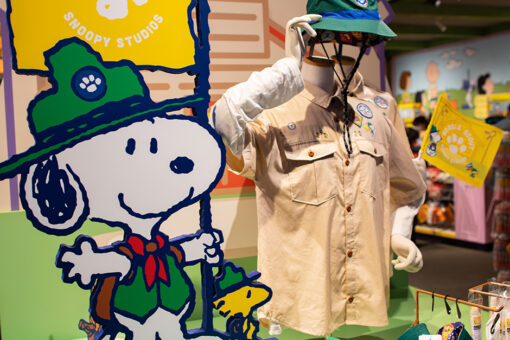
That just scratches the surface of what USJ has to offer. Illumination’s Minion Park, the wharfs of San Francisco, the truly extensive and impressive steamed bun and churrito game — oh man, and I almost forgot about Snoopy and the Peanuts gang over in kid-centric Wonderland! BRB, gotta go book my next flight to Osaka.

And as it’s situated inside Osaka proper, getting to and from Universal Studios Japan is a breeze. Just hop on the JR Train line to Universal City Station and you’ll find yourself at CityWalk. No car rental necessary!
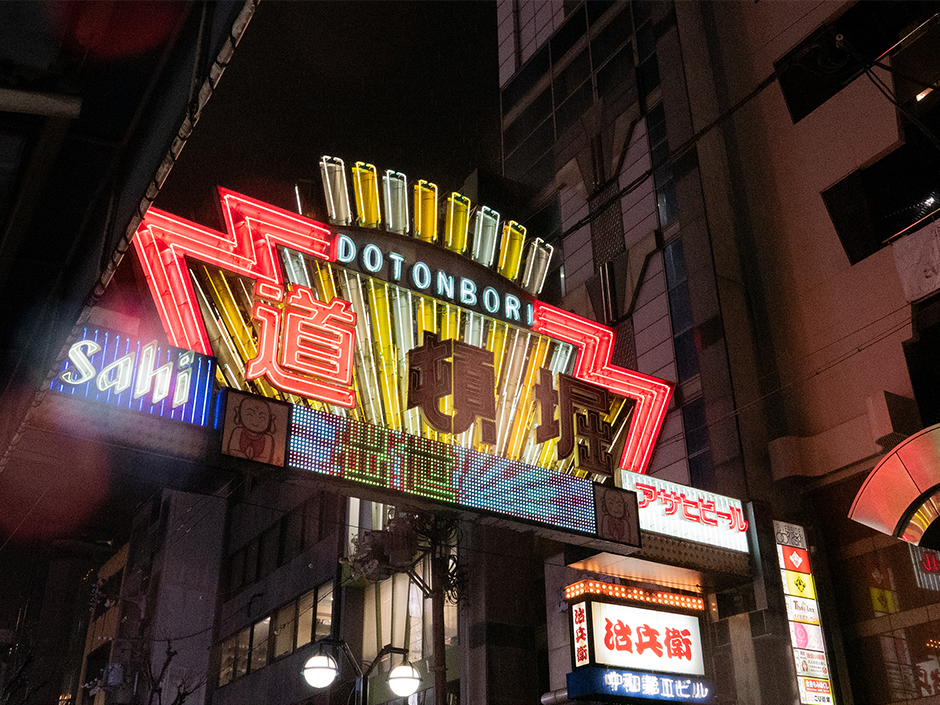
Beyond USJ, Osaka is your oyster. Catch the Hanshin Tigers play a baseball game at the famous Osaka Dome. Get face-to-face with a whale shark at Osaka Aquarium. Stroll the shopping arcades (shotengai) and wind through alleys glowing in neon signage in Dōtonbori. Score some world-class vintage threads in Amerikamura, then bop over to Den-Den Town to thumb through seemingly infinite selections of manga.
What I loved most about Osaka is how it feels like a real, lived-in place. Even as a tourist, it’s easy to slip into the rhythm of this lively, charming, delicious city.
Kyoto
DAYS: 3
GETTING THERE: 40-minute train from downtown Osaka; 75-minute train ride from KIX; 2-hour, 15-minute shinkansen (bullet train) ride from Tokyo.
As alluded to above, Kyoto was the Imperial Capital of Japan from 794 to 1868. As such, it’s filled with countless shrines and monasteries. It’s an easy train ride to Osaka, so it’s doable as a day trip from there. However, Kyoto is so chock-full of gorgeous sites to explore, you’ll quickly realize one day there isn’t nearly enough.
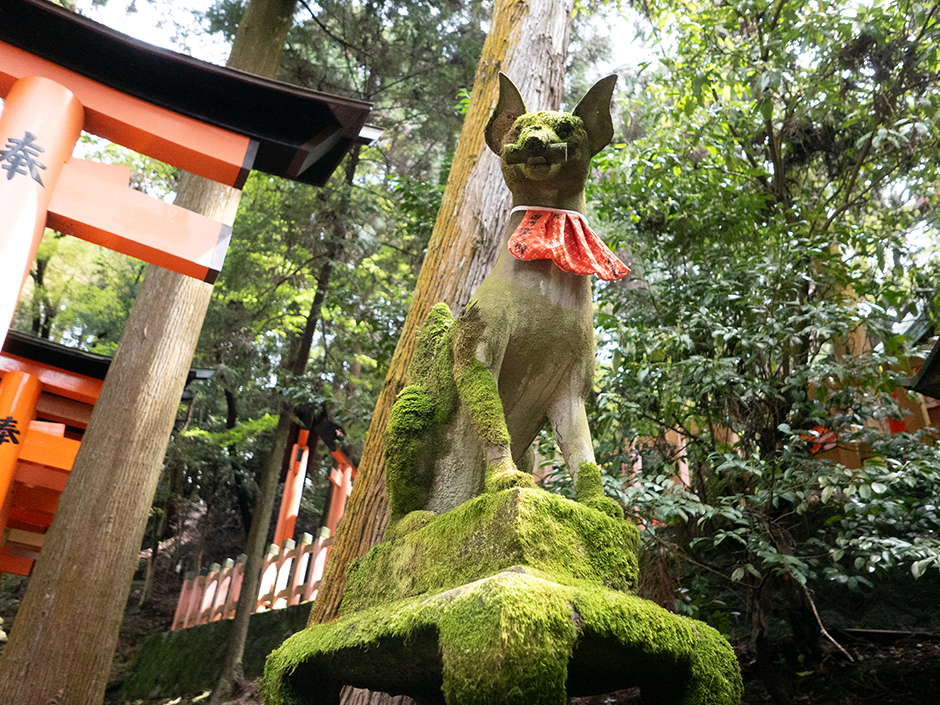
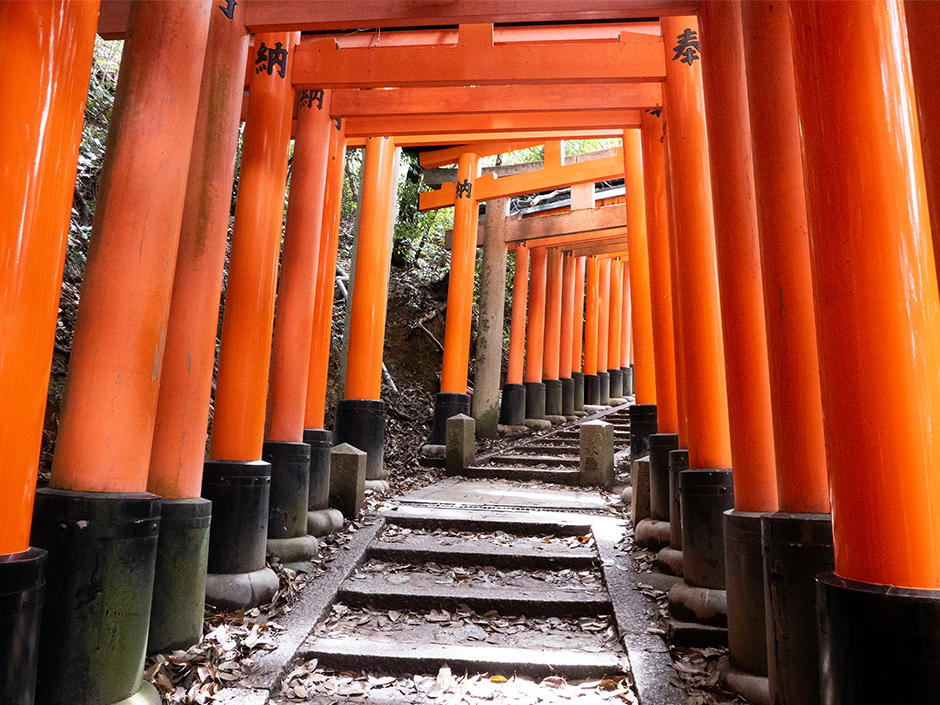
You can’t go wrong exploring any of the historic sites in Kyoto, but the city is famous for a few in particular. First is the Fushimi Inari-taisha Shrine, a three-mile trail through (literally) thousands of red torii gates up Mount Inari. (I’d highly recommend popping into one of the small trail-side restaurants for udon on your way down.) You also can’t miss Arashiyama Bamboo Grove, a jaw-dropping path through gigantic towering bamboo, or the bright gold Buddhist shrine, Kinkakuji Temple.

Wander charmingly traditional Gion, and keep your eyes peeled for geisha as you stroll past the traditional, wood-paneled machiya houses. Nishiki Market was a favorite spot of mine in Kyoto. With over 100 stalls selling Kobe beef, tempura, fresh seafood, Japanese sweets and more, I went back every day I spent in Kyoto for something totally new. You can also book an hour-long, traditional Japanese tea experience, rent a bike to pedal along the Kamo river, or book an onsen experience in Kyoto — the world is your kaki (牡蠣).
Nara

DAYS: 1
GETTING THERE: It’s an easy day trip from either Kyoto or Osaka, about 45 minutes by train from either city.
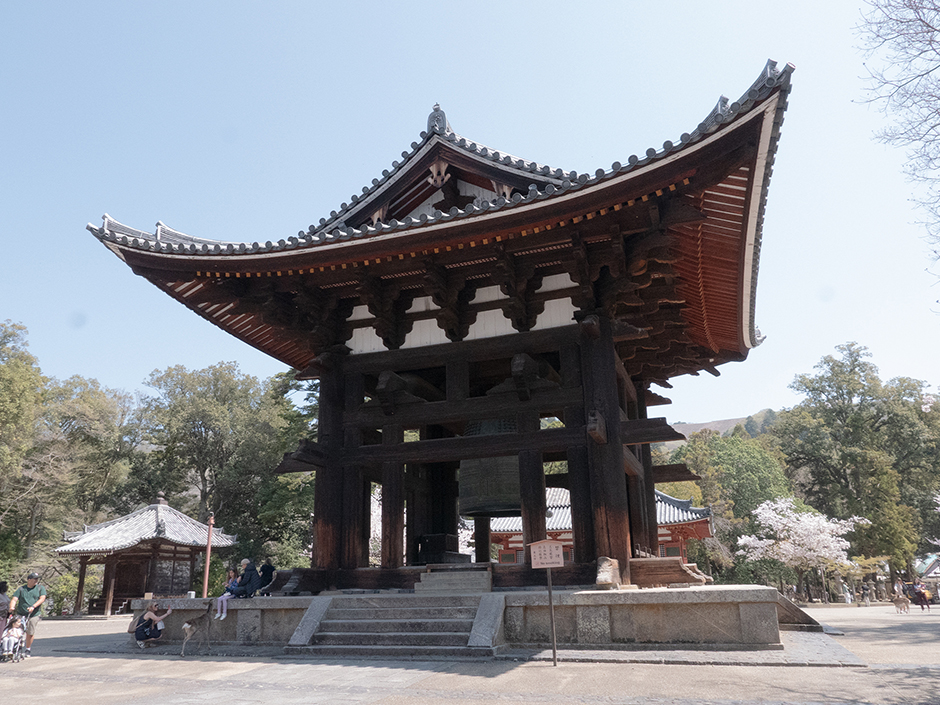
If you’ve ever wanted to feel like you’re living in a fairy tale, Nara is a must. This small city’s history runs deep: it was the imperial seat of Japan for several decades in the 8th century, before the capital was relocated to Kyoto. That means it’s dotted with eight jaw-dropping temples, shrines and historical landmarks, collectively called the Historic Monuments of Ancient Nara.
Oh, and one more thing. There are deer everywhere. Friendly, if a little pushy, free-roaming sika deer, to whom visitors can feed crackers. Around 1,500 wild deer roam freely in Nara Park. Since the 700s, the Nara deer have been regarded as messengers for the Shinto gods. Today, the population is protected by the Japanese government. Around the park, guests can purchase bundles of crackers to feed the deer. Fawns, does and bucks (don’t worry, their antlers are trimmed each autumn for safety) will approach guests and bow — and they’ll expect a cracker in return.
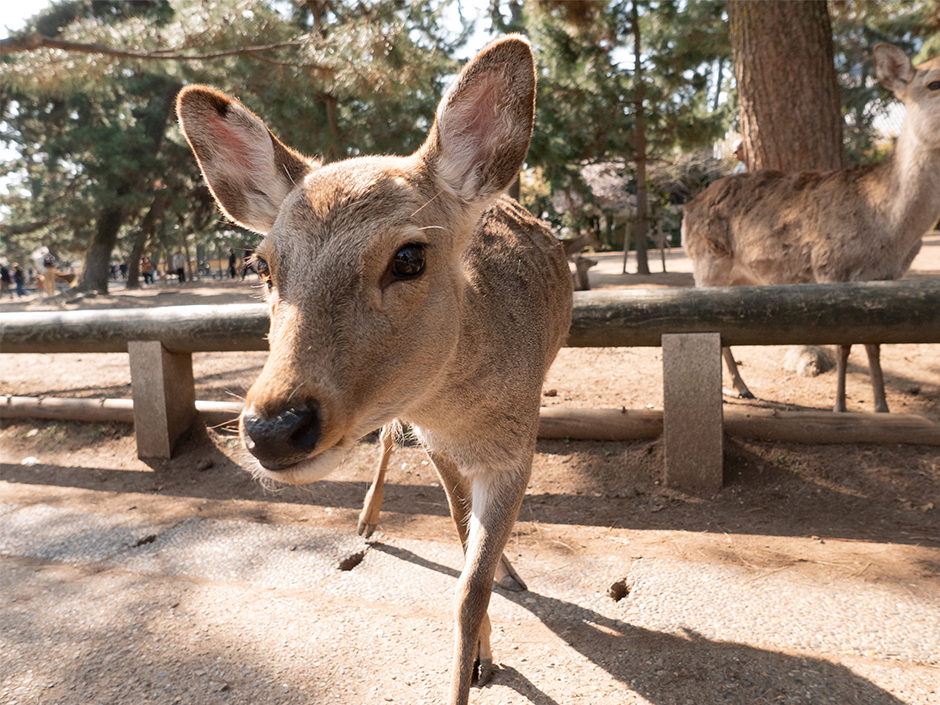
Spending an afternoon traipsing through ancient temples and feeding the sacred Nara deer — then stopping for a hot bowl of udon at an unassuming restaurant in Nara Park — was perhaps my very favorite day in western Japan.
Kobe
DAYS: 1
GETTING THERE: 22-minute train ride from Osaka.
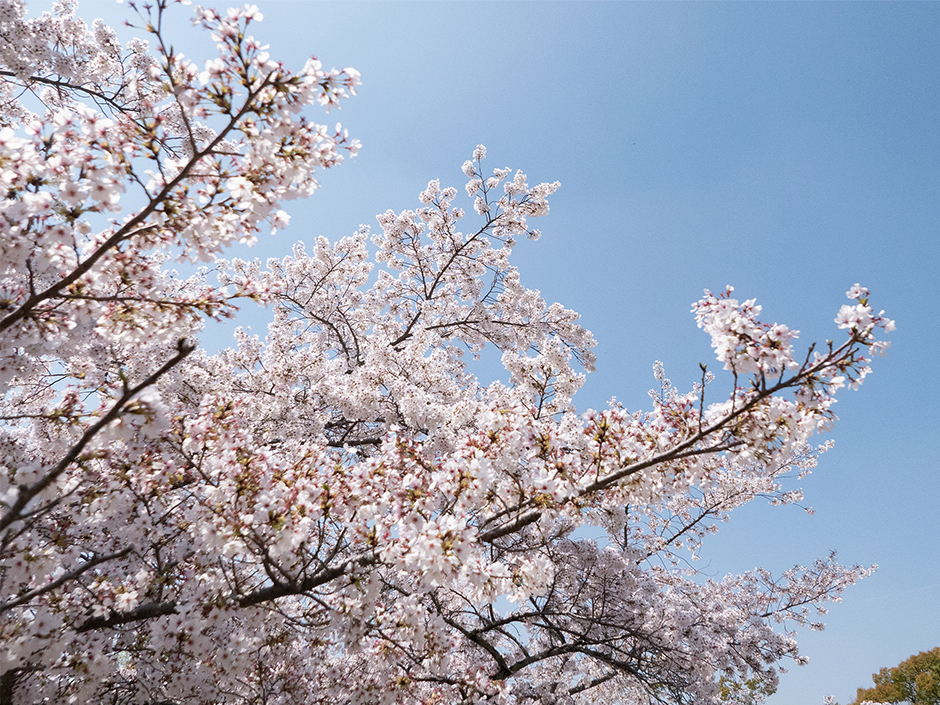
Just down the road from Osaka is the region’s second-largest city, Kobe. If the city’s name makes your stomach rumble, you’re onto something — Kobe is the birthplace of the famous marbled beef of the same name.
But Kobe is much more than a place to eat premium meat! Nestled between Osaka Bay and the Rokko mountain range, this historic city is as photogenic as it is walkable. Take the Rokko Cable Car or the Kobe Nunobiki Ropeway up Mount Rokko for sweeping views of the city and the bay. Then, head over to the Nada district and tour historic Sake breweries for which the city is (also) famous.
Hiroshima
DAYS: 1-2
GETTING THERE: 80-minute shinkansen (bullet train) ride from Osaka.
Further afield is Hiroshima, another large city in Western Japan that’s been inhabited for nearly a thousand years. Located west from Osaka along the coast of the Seto Inland Sea in Hiroshima Prefecture, the lively, waterfront city of Hiroshima is rich in history.
The must-see attraction here is the Hiroshima Peace Memorial Park, a place to honor those lost in the nuclear attacks in 1945. Within the park are several discrete sites, including the Hiroshima Peace Memorial Museum and the Children’s Peace Monument. Hiroshima Castle is also worth a visit. The feudal era fortress was originally built over 400 years ago and was largely reconstructed post-World War II. Then time-travel to Edo Era Japan at Shukkeien Garden and grab a bite in Okonomi-mura — a district packed with over 25 okonomiyaki restaurants.
Just a short train-and-ferry ride away is Miyajima and its famous Itsukushima Shrine. Perhaps you’ve seen photos of the red torii gate, which appears to float on water. It’s absolutely worth tacking onto your Hiroshima visit.
That’s just scratching the surface of what you can explore in Western Japan and at Universal Studios Japan. What are you most eager to experience in Kansai and beyond? Let us know in the comments below.




No Comments